

Chakra self-care can be approached as optional spiritual reflection, not a way to diagnose or cure illness. If chakra language feels meaningful to you, use it to ask what deserves attention in daily life: rest, boundaries, connection or practical support. You do not need to detect an invisible blockage, achieve a special sensation or buy a healing product.
The phrase “self-healing” can suggest more control over health than a person actually has. Here, the focus is self-care: a gentle check-in and a manageable next step. Being ill, distressed or tired is not evidence that your thoughts or spiritual effort are inadequate.
Quick Guide
- Choose meaning, not diagnosis: treat a chakra theme as a prompt, not a medical explanation.
- Keep it comfortable: sit normally, breathe naturally and keep your eyes open if you prefer.
- Pick one useful action: a boundary, conversation or request for help can be enough.
- Skip pressure and purchases: no special equipment or intense practice is required.
- Keep appropriate care: reflection should not delay assessment or change prescribed treatment.
Separate spiritual language from health evidence
A symbolic framework may help you organize your thoughts without establishing that an energy center causes symptoms. Rather than deciding “my chakra is blocked,” try describing what you can observe: “I have been avoiding a difficult conversation,” or “I need help with an overwhelming workload.” Those descriptions leave room for practical explanations and support.
Research about yoga or meditation does not, by itself, validate chakra-based diagnoses or promises of healing. The National Center for Complementary and Integrative Health’s meditation overview describes possible benefits but also important research limitations and reports of difficult experiences. A practice can feel useful to one person without being suitable for everyone.
For more on interpreting the word “blocked” without turning it into a diagnosis, see our energy-blockage guide and practical next steps.
Seven optional themes for a personal check-in
These are editorial reflection prompts, not a fixed historical chakra map, an anatomy chart or a test of spiritual health. Choose whichever theme is useful today; you do not need to work through all seven or attach them to parts of your body.
- Safety: What would make today feel more manageable? Choose one concrete support, such as asking someone to help with an errand.
- Enjoyment: What ordinary activity do I miss? Make room for a small, affordable pleasure without requiring it to improve your mood.
- Agency: Which decision is actually mine? Identify one choice you can make, while acknowledging what is outside your control.
- Connection: Who can I approach without pretending to be fine? Consider a brief message to a trusted person.
- Communication: What do I need to say clearly? Draft one respectful request or boundary; you can decide later whether to send it.
- Perspective: What am I assuming? Write down what you know, what remains uncertain and another possible explanation.
- Meaning: What matters to me in this situation? Choose a small action that reflects that value, without demanding a sign or a prediction.
A simple reflection routine
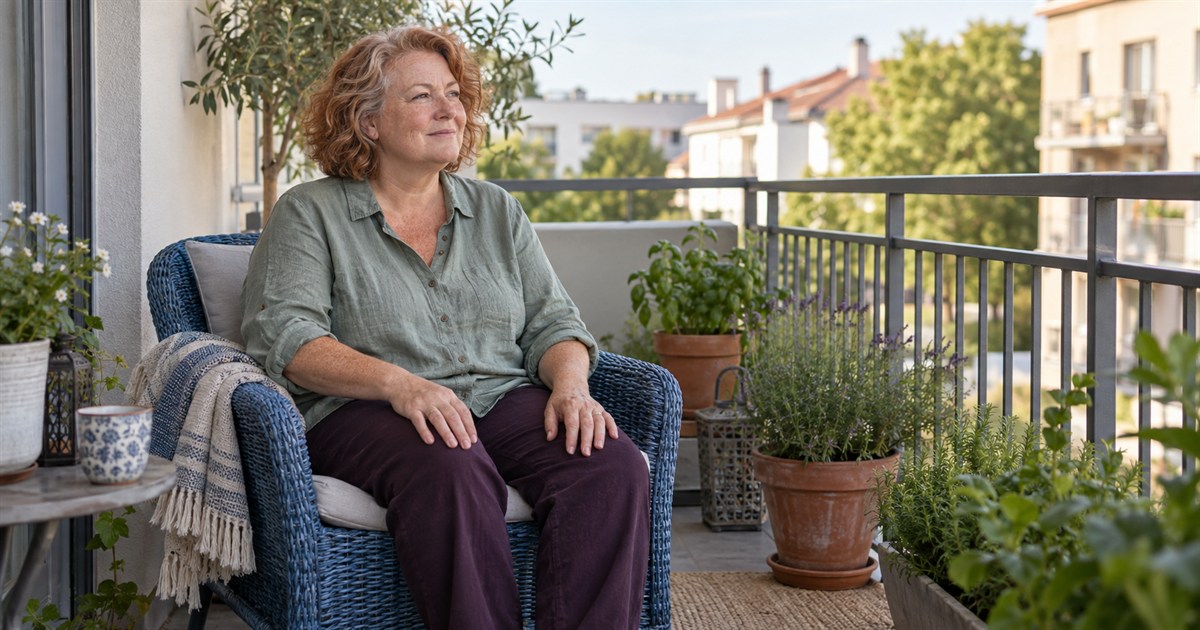
Find a position that is comfortable for you, whether sitting in a chair or resting elsewhere. Notice something ordinary around you, such as daylight or the texture of a sleeve. There is no need to hold your breath, force deep breathing, close your eyes or imagine a particular color.
Select one prompt above. Write a sentence about your current situation and a second sentence about a realistic next step. Finish by deciding whether you want to take that step, ask for support or leave the exercise for another day. This is an optional writing exercise, not a treatment protocol.
Fictional example: Mara chooses communication after noticing that extra requests are filling her evenings. She writes, “I can help on Saturday, but I cannot take this on tonight.” The useful outcome is a clearer boundary—not proof that a throat chakra has opened.
If you add yoga or meditation
You do not have to practice yoga to use these prompts. If you want to try it, NCCIH’s yoga guidance notes potential wellness benefits as well as injury risks, and recommends appropriate practice with a qualified instructor. Ask about adaptations and discuss suitability with your health care provider when needed. Do not force a posture or pursue an intense “awakening” to complete this check-in.
If quiet attention becomes upsetting, stop and return to an ordinary activity that feels comfortable. You do not have to push through distress to prove progress. Seek professional support for ongoing or worsening concerns. Meditation is optional, and choosing not to do it is a valid decision.
Avoid supplement and diet promises
This exercise requires no herbs, oils, restrictive diet or supplements. A product described as natural or spiritual is not automatically appropriate for you. NCCIH explains that supplements can change medication effects or interact harmfully; discuss all products and medicines with your health care provider or pharmacist.
Do not stop medication or postpone care because someone attributes symptoms to energy, diet-related “vibrations” or a lack of belief. Persistent, unexplained or worsening symptoms deserve a qualified assessment, not a chakra reading. If you are considering a paid spiritual session, our distance-healing booking guide covers consent, cost and health boundaries.
Key Takeaways
- Chakra language can remain a personal symbol without becoming a health claim.
- A short, ordinary check-in is enough; sensations, purchases and intense routines are not required.
- Choose a practical action and allow yourself to stop, change course or seek help.
- Your health is not a verdict on your spirituality or positive thinking.
Frequently Asked Questions
Can chakra self-care cure an illness?
This guide does not present chakra practices as a cure or diagnostic method. Use qualified health care for symptoms and treatment decisions; personal spiritual meaning is not evidence that an illness has been treated.
Do I need to visualize colors or feel energy?
No. You can use an ordinary journal prompt, keep your eyes open or skip the practice entirely. Not noticing a sensation does not mean you have failed or have a blockage.
How long should a reflection session last?
There is no required duration in this exercise. Try a brief, comfortable pause and stop whenever you want. Longer or more intense practice is not a measure of spiritual progress.
Should I buy supplements to balance my chakras?
Buying supplements is not part of this guide. Supplements can interact with medicines, so discuss products you are considering with your health care provider or pharmacist rather than relying on chakra-based sales claims.