

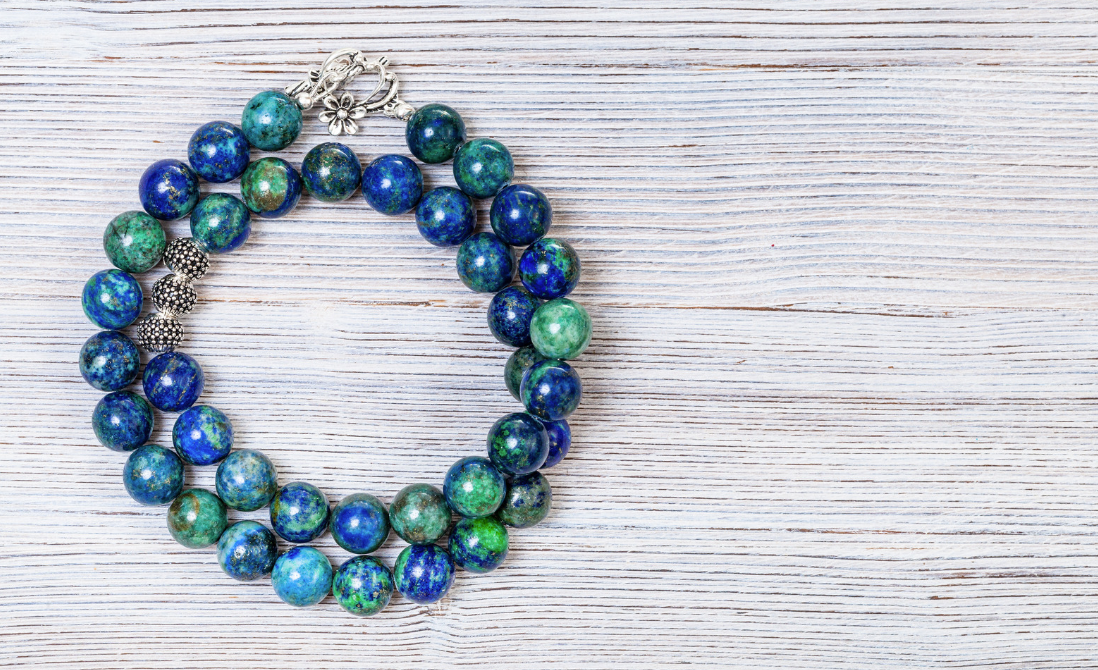
A crystal can be a personal reminder to pause before a decision. It should not be the reason you trust an investment, choose a partner or accept a job. This guide keeps the six stones from our original article, but uses them as optional prompts rather than promising that they remove anxiety, reveal the future or make the right choice for you.
You do not need to buy anything to use the questions below. A notebook is enough. If a stone has spiritual meaning for you, that meaning can sit alongside a careful look at the facts.
Quick Guide
- Use a crystal as a cue, not an answer: pause and name the decision.
- Separate wishes from evidence: write down what you know and what you still need to ask.
- Keep your choice practical: consider consequences, commitments and other people’s consent.
- Skip guarantees: a crystal purchase does not establish that a decision will work out.
Six Crystals, Six Optional Reflection Prompts
The pairings below are original editorial exercises, not verified effects of the stones, traditional prescriptions or a personality test. Choose a question because it is useful, not because you believe you must own the matching mineral.
Azurite: Look for Another Option
Ask: “Am I treating this as a choice between only two possibilities?” Write down a third possibility, including postponing a non-urgent decision while you gather information. The exercise is to widen your list of options; it does not mean azurite reveals distant opportunities or enhances psychic vision.
Blue Topaz: Prepare a Direct Question
Ask: “What conversation would make this decision clearer?” You might need to ask about working hours, expectations or a person’s willingness to make a shared plan. Write the question plainly. Do not interpret a feeling about the stone as someone else’s answer.
Green Tourmaline: Name Your Priority
Ask: “What matters most in this particular choice?” For example, flexibility and predictability may point toward different options. Pick the priority you want to examine, without assuming that stronger certainty means better judgment.
Rutilated Quartz: Separate Hopes From Facts
Ask: “Which part of this plan is a hope, and which part can I verify?” Mark assumptions clearly. A wish for prosperity is not evidence of income, affordability or a promised return. Keep the stone out of the role of financial adviser.
Phantom Quartz: Check an Old Assumption
Ask: “Am I using an old experience as if it proves what will happen now?” Note what is different about the present situation. You do not have to revisit painful memories or pursue emotional healing to answer this question; you can simply identify one current fact.
Chiastolite: Set a Boundary
Ask: “What condition would make this option unacceptable to me?” Examples include pressure to answer immediately or a commitment you are not willing to make. A written boundary is a decision tool; carrying a stone is not a guarantee of protection.
A Practical Decision Checklist
The NHS problem-solving guide recommends distinguishing problems you can act on from hypothetical worries, considering possible solutions and making a specific plan. It also suggests reviewing what worked. The checklist below applies that general approach; the NHS does not endorse the crystal exercises.
- State one decision. Keep it specific enough to address.
- List feasible options. Include their likely benefits, drawbacks and missing information.
- Check what is needed. Consider resources, help and whether the option is practical.
- Choose a next action. Say what you will do and when.
- Review the result. Record what you learned and adjust if necessary.
For high-stakes matters, use relevant qualified advice. Do not replace medical care, legal advice or financial assessment with a crystal reading. Nothing in this article establishes the stones as treatments for anxiety or emotional distress.
Example: A Career Choice Without a Crystal Verdict
In this fictional example, Priya is considering a new role. She keeps a favourite stone beside her notebook and uses the blue-topaz prompt to identify an unanswered question: how often would she need to work evenings?
She asks the employer, gets the expectations in writing and compares them with her own commitments. She may still feel uncertain, but she now has information she can use. The helpful action was asking the question—not receiving a prediction from the stone.
If you also consult a reader for reflection, our guide to accuracy claims in email readings explains why a confident answer should not replace verification. For another example of keeping symbolism separate from decisions, see the number seven and life-cycle beliefs.
Buying a Stone: Check the Description, Not a Promise
You can enjoy a piece of jewellery without believing it brings success. Ask what the material is, whether it has been treated and what care it needs. Do not assume a vivid colour proves rarity or natural colour.
For example, GIA’s guide to gem treatments explains that irradiation followed by heat can produce strong blue colours in topaz. It also describes how treatments can affect appearance and sometimes care requirements. That is gemological information, not evidence of spiritual or healing power.
Set a comfortable spending limit before browsing. There is no need to add another stone, a special pairing or a paid “activation” to complete these exercises. If an offer depends on a guaranteed life outcome, that promise is not a sound reason to buy.
Key Takeaways
- Crystal symbolism can be personal; it does not verify a prediction.
- The six prompts work without buying or carrying a stone.
- Direct questions and practical checks belong at the centre of a decision.
- Check gemstone descriptions and treatments rather than relying on colour or promised benefits.
Frequently Asked Questions
Which crystal is best for making decisions?
This guide does not rank crystals by proven decision-making power. If you enjoy them, use a stone you already own as an optional reminder to pause. Your reasons, information and practical checks matter more than the object.
Can a crystal tell me which job or relationship to choose?
Do not treat a crystal as evidence about a job, another person’s wishes or a future outcome. Use direct questions, reliable information and the circumstances of the people involved to evaluate your options.
Do I need to buy all six crystals?
No. The six prompts are optional editorial exercises, not a required set or a spiritual prescription. You can write the questions in a notebook and use no crystal at all.
Does blue topaz’s colour prove it is rare and untreated?
No. GIA explains that irradiation and heat can produce strong blue colours in topaz. Ask for identification and treatment information rather than assuming colour alone establishes rarity or natural colour.