

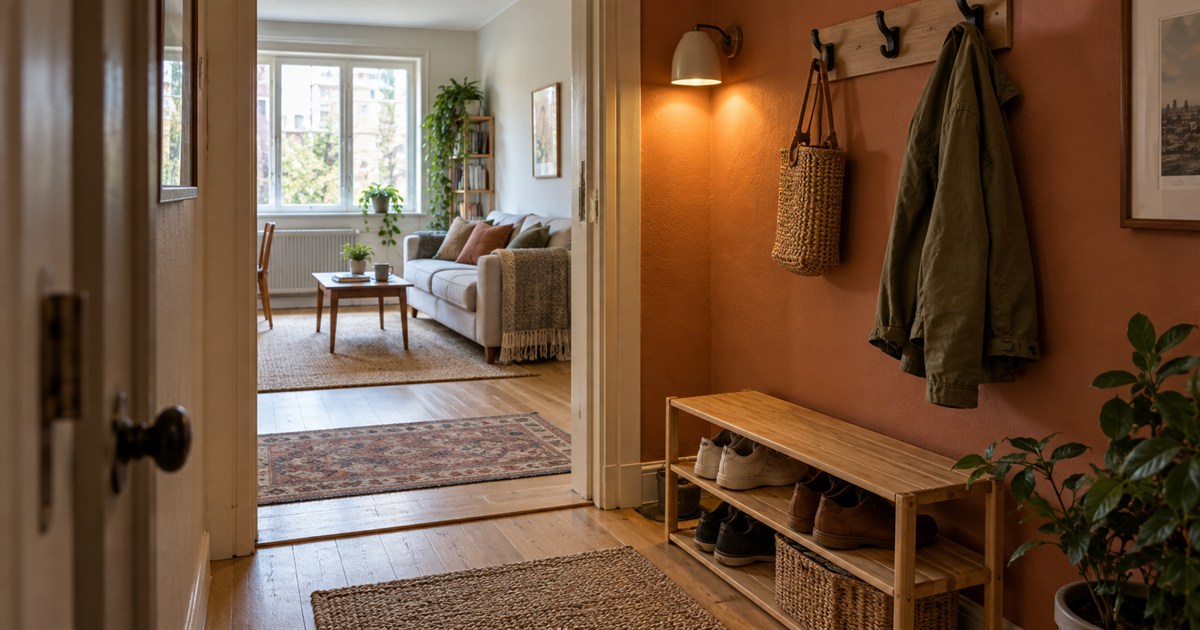
If your home feels unsettling, you deserve to feel safe without being pressured to accept a frightening explanation. A noise, moving shadow or sense of a presence does not by itself establish that a ghost is in the house.
Before trying to “help a ghost leave,” separate what happened from what you think caused it. This guide puts household safety first, explains the limits of removal rituals and offers a simple, fire-free way to make your space feel more familiar.
Deal with a possible hazard before a spiritual explanation
If a carbon monoxide alarm sounds, leave the home immediately and call emergency services from outside. Do not stay inside to investigate a haunting or perform a ritual. The CDC’s alarm-response guidance calls for leaving immediately and calling 911 in the United States.
Carbon monoxide is an invisible, odorless hazard; possible symptoms include headache, dizziness and confusion. See the CDC’s current carbon monoxide overview for prevention and detector guidance. This is a safety precaution, not a claim that carbon monoxide explains every unusual experience. Suspected exposure needs emergency assessment, not a spiritual diagnosis.
Likewise, treat smoke, a fire or immediate danger as an emergency. Do not disable alarms or dismiss them as signs of energy. For non-emergency building problems, contact your landlord or an appropriate qualified tradesperson rather than attempting unfamiliar electrical, gas or structural work yourself.
Describe what you noticed without deciding its cause
Once you are safe, a brief factual note can help you decide whether anything needs attention. Write down the time, room and specific event: “three tapping sounds by the window” is more useful than “an angry spirit knocked.” Include whether you were asleep, waking up or looking across a dark room.
Consider ordinary possibilities that you can check safely, such as a loose object, a moving curtain, an appliance cycle or an animal outside. If someone else was present, ask what they noticed without telling them what answer to give. An unexplained result can remain unexplained; it does not automatically become evidence for a ghost.
A short check is enough. You do not need to monitor the house all night, repeatedly record it or buy detection equipment to prove that you are taking the experience seriously.
What about sage, candles, salt and asking a spirit to leave?
These practices may have personal or religious meaning, but this article does not establish that they expel spirits. The earlier claims that white roses absorb supernatural activity, salt blocks ghosts or a firm command makes an entity leave should not be treated as proven instructions.
If saying a few words helps you express an intention, keep it focused on your own choices: “I want to care for this space and take practical steps to feel settled.” You need not address an entity, demand a response or interpret another sound as defiance.
Do not turn an optional ritual into a household fire risk. The U.S. Fire Administration recommends considering battery-operated flameless candles. It also advises extinguishing real candles before leaving a room or sleeping. This guide does not recommend walking through the home with burning herbs or lighting candles in every room. Keep safety equipment active regardless of your beliefs.
A five-step, fire-free home reset
This is an ordinary comfort routine, not a cleansing method with a supernatural guarantee. Skip any step you do not want, and do not use the routine to delay addressing a hazard.
- Choose one familiar area. Start with a place where you can sit comfortably. You do not need to inspect the whole house.
- Use ordinary lighting. Switch on a lamp or open a curtain in daylight. There is no need for flames, smoke or darkness.
- Make one small practical change. Put away a loose object or clear a walkway. Ask permission before moving someone else’s belongings.
- Choose a quiet activity. Read, listen to familiar music or say a private prayer if that fits your beliefs. Other people in the home do not have to join in.
- Return to your routine. Decide whether there is one repair or support call to make, then move on to an ordinary activity instead of watching for signs.
Fictional example: Elena hears a tapping sound after moving into an apartment. In daylight she notices a blind cord touching the frame and asks the landlord about securing it safely. She also changes the lamp placement because the room feels unfamiliar. The example illustrates a practical response, not a claim that every reported encounter has the same explanation.
When to ask for support
If you are seeing or hearing things that are not there, seek medical advice promptly. The NHS describes several possible causes of hallucinations, including experiences around sleep. Sudden confusion, quickly worsening symptoms or a risk of harm requires emergency help. A spiritual article cannot determine the cause or assess your health.
If the experience is connected to missing a pet, our ghost-pet and grief guide discusses remembrance without claims that an animal is trapped. You can also speak with someone you trust about feeling unsettled without asking them to agree that your home is haunted.
Be cautious about paid spirit-removal guarantees
A person calling themselves a professional does not establish that they can detect or remove a spirit. You can decline a reading or ritual. Be especially cautious if someone says your family is in danger unless you pay immediately, demands secrecy or keeps adding fees.
The U.S. Postal Inspection Service warns about psychic scams involving paid guarantees and escalating costs. Ask what a service includes, what the full cost is and whether there are continuing charges. Talk with someone you trust before paying. Our mediumship and safer-booking guide explains why spiritual interpretation should not replace evidence or appropriate care.
The takeaway
Feeling uneasy at home is worth addressing, but you do not have to identify a ghost to take useful action. Prioritize safety, keep explanations open, make modest practical changes and reject pressure to purchase a supernatural solution.
Frequently asked questions
How do I know whether my home is haunted?
An unexplained sound, shadow or uneasy feeling does not establish a haunting. Start with safe household checks and appropriate help for anything persistent or dangerous. This guide does not provide a test that proves a spirit is present.
Will sage, salt or white candles remove a ghost?
No reliable evidence is offered here that these items remove spirits. You may attach personal meaning to a ritual, but it should not replace household repairs, medical advice or fire safety. A smoke-free, flame-free routine avoids introducing a burning ritual.
Should I ignore strange activity after asking a spirit to leave?
Do not ignore alarms, signs of a household hazard or concerning symptoms. Asking for peace can be a personal statement, but it does not make an unresolved safety issue disappear.
When should I contact a professional?
Choose help for the actual concern: emergency services for immediate danger, a qualified tradesperson or landlord for a building problem, and a healthcare professional for concerning sensory experiences. A paid spiritual service is optional and cannot substitute for those roles.