

Feeling calmer, more confident or better supported can be welcome, but none of those experiences proves that your root chakra has opened. Root-chakra balance is a spiritual interpretation, not a medical diagnosis. Weight changes, sexual desire and financial gains are not reliable tests of it.
If this symbolism matters to you, a more useful question is: What helps me feel supported in daily life, and what practical need still deserves attention? You do not need to reach a permanent state of calm, buy a cleansing service or dismiss a health concern to explore that question.
What does the root chakra represent?
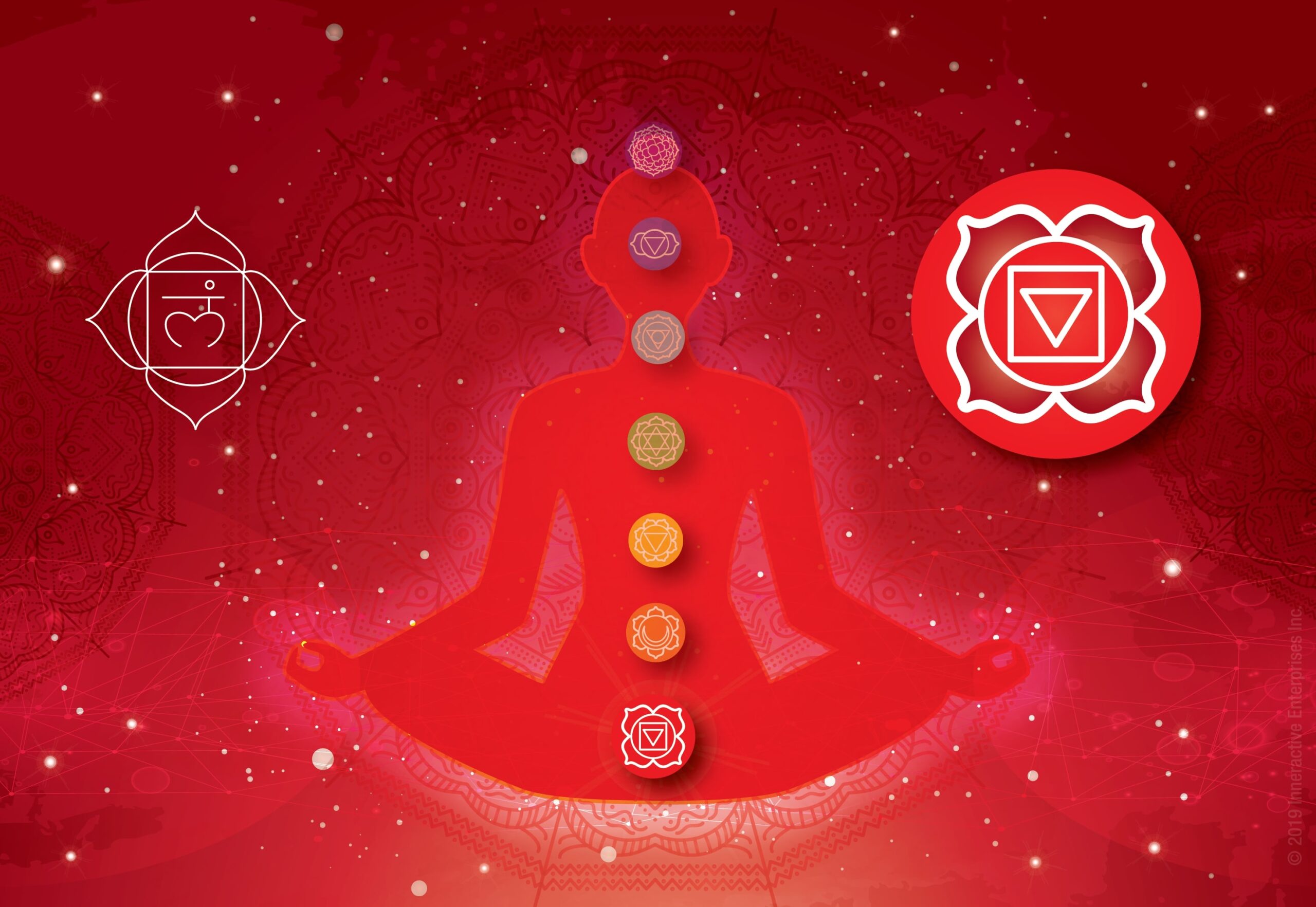
In chakra-based yoga teaching, the root center is commonly called Muladhara. In Sandra Anderson’s Yoga International teaching on Muladhara, it is placed at the base of the spine and discussed in relation to foundational needs such as food, sleep and self-preservation. This is a practitioner’s spiritual framework, not a description of a medically measurable organ.
For personal reflection, the idea of a “root” can be a reminder to consider support, routine and belonging. You can value that metaphor without accepting claims that an energy center controls your glands or determines your circumstances. Different teachers use different language; an online checklist cannot settle whether you have achieved a spiritual state.
Six commonly claimed signs, reconsidered
1. Feeling more at ease
You may notice an ordinary task feels less overwhelming, or that you have more room to pause before responding. Record the change in concrete terms: “I prepared tomorrow’s essentials without rushing” is more informative than “everything is flowing.”
Ease can vary with your circumstances. A difficult day does not mean you have lost spiritual progress, and a peaceful meditation does not show that every underlying problem has been resolved.
2. Feeling braver
Making a phone call you have postponed or asking for help may feel like progress. You can acknowledge that action without requiring all fear to disappear. Having a phobia, anxiety or uncertainty is not proof that you have failed to balance yourself.
Instead of testing whether you are suddenly fearless, ask whether you have enough support for the next manageable step. If fear is disrupting daily life, seek appropriate help rather than trying to force a spiritual breakthrough.
3. Changes in weight
Do not interpret weight loss or gain as evidence that a chakra has corrected cortisol, metabolism or adrenal function. A spiritual checklist cannot establish those things, and a change on the scale is not a score for your practice.
The NHS advises getting unintentional weight loss checked, especially if it continues without changes to diet or exercise; weight loss with other symptoms needs prompt assessment. Take a concerning physical change to a health professional rather than assuming it is a cleansing effect.
4. Changes in sexual desire
A rise in libido is not a required sign of wellness or chakra balance, and lower desire does not make someone spiritually blocked. Do not infer hormone levels from desire or compare yourself with a prescribed “healthy” spiritual state.
If a change concerns you, describe the change and its impact to an appropriate clinician. Within a relationship, comfort and freely given consent matter more than meeting a chakra checklist.
5. Financial gain
A raise, a job offer or an unexpected payment is not proof of an open chakra. Equally, debt, low income or housing insecurity is not evidence of spiritual failure. A reflection practice cannot promise financial abundance.
Use the theme of security to identify a real task: finding a relevant support service, clarifying a bill or asking about an employment opportunity. Keep spiritual spending optional, and avoid anyone who says you must pay to remove an energetic barrier to money.
6. Less attachment
Perhaps you feel less pressure to impress others or can reconsider a purchase. That may be a personally useful observation. It does not require giving away belongings, abandoning responsibilities or pretending you do not need material security.
“I can question this expectation” is a more workable reflection than “I should need nothing.” Boundaries, stable housing and practical support are compatible with a meaningful spiritual life.
A support check-in instead of a chakra score
This is an original reflection exercise, not a diagnostic assessment or a traditional test of Muladhara. Choose one area rather than trying to fix your whole life at once:
- Daily foundation: What ordinary need is easy to overlook today?
- Environment: Is there one manageable change that would make my space more usable or comfortable?
- Connection: Who could offer appropriate practical help or companionship?
- Next step: What can I do, ask or arrange without a large commitment?
Write three lines: what I noticed, what support I need, and one action I will consider. Do not convert the answers into a percentage of chakra openness. You are planning support, not grading your worth.
For example, imagine Luis, a fictional reader who feels unsettled after moving. He might interpret the feeling through root-chakra symbolism, but his note says: “My essentials are still in boxes; I need an easier morning; I will unpack one shelf and ask a friend to help with the remaining heavy boxes.” If that helps, he can appreciate the improvement without claiming that it proves an energy center has changed.
If you want an optional grounding pause
Sit in a comfortable, supported position and look around the room. Notice one ordinary object and the support of the chair. Let breathing remain natural; no breath-holding, forceful exercise or prolonged session is required. You may silently use a phrase such as “I can take one practical step,” or skip spiritual language entirely.
Keep this brief and optional. Stop if it makes you uncomfortable, distressed or detached from your surroundings. You can choose a simple everyday activity instead. For help selecting a suitable format, read how to choose a chakra meditation practice.
NCCIH’s review of meditation and mindfulness notes research limitations and the possibility of negative experiences. It advises against replacing or postponing conventional care with meditation. Findings about meditation should not be treated as proof of chakra opening or hormone correction.
When to look beyond a spiritual explanation
Fatigue, constipation or anxiety should not automatically be labeled a blocked root chakra. If symptoms persist, worry you or interfere with daily life, seek qualified health advice. In particular, the NHS tiredness and fatigue guidance recommends a GP assessment for unexplained tiredness lasting a few weeks, tiredness affecting daily life, or tiredness with other symptoms.
You can continue to find meaning in symbolism while taking practical concerns seriously. Our chakra awareness guide offers a broader way to separate an observation from an interpretation. Neither a reader nor this article can diagnose you from a chakra description.
Frequently asked questions
How can I tell whether my root chakra is balanced?
There is no medical test or reliable symptom checklist that confirms root-chakra balance. Within a spiritual practice, you may use the term to describe feeling steadier or supported. Describe those experiences without treating them as proof about your health.
Are weight changes or increased libido signs of an open root chakra?
They do not establish that a chakra has opened. Do not use them to infer hormone levels or successful healing. Discuss unexplained or concerning changes with a qualified health professional rather than relying on a spiritual interpretation.
Does balancing the root chakra attract money?
A chakra practice cannot guarantee income, employment or financial security. Reflection may prompt you to address a practical issue, but hardship is not evidence of blocked energy or a personal spiritual failure.
What if a grounding practice makes me feel worse?
Stop rather than forcing yourself to continue. Keep your eyes open, notice your surroundings and choose a different activity if that feels more comfortable. Seek appropriate professional support for persistent or distressing symptoms; meditation should not replace care.