

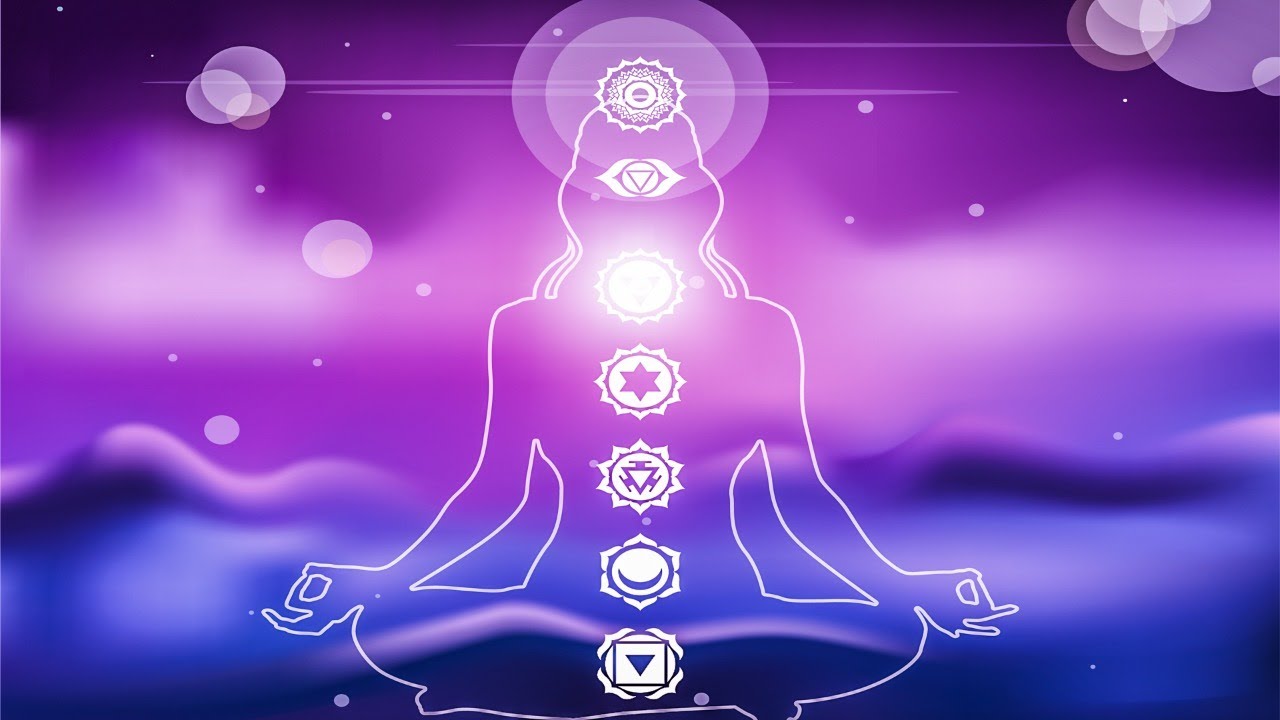
A “chakra test” may be presented as a questionnaire, a guided body scan or a reading with crystals. Before accepting its result, ask what the method actually measures. Feeling tired, noticing warmth or receiving a low score does not establish that an energy centre is blocked.
You can use chakra language as part of a spiritual practice without treating it as a medical test. This guide focuses on evaluating the claims behind a result, rather than assigning you a chakra score or recommending a cleansing treatment.
Quick guide
- Identify the claim: is this reflection, an energy measurement or a health diagnosis?
- Ask how it works: look for an explanation of the questions, scoring and evidence.
- Separate sensation from cause: a bodily change does not verify a chakra interpretation.
- Keep choices open: you do not owe anyone a purchase after receiving a result.
- Respond to symptoms: do not wait for a better spiritual score before seeking help.
Three things that are often confused
A personal reflection prompt
A question such as “Where would I like clearer boundaries?” can invite thought about your life. Its value does not depend on proving that an energy centre exists or is obstructed. You can keep a useful question and reject the explanation attached to it.
A claimed energy reading
A practitioner may interpret sensations or symbols as information about chakras. That is a spiritual interpretation unless the claimed measurement has appropriate supporting evidence. Confidence, technical-looking diagrams and precise percentages do not supply that evidence by themselves.
A health assessment
Determining why you have symptoms is a different task. A chakra result should not be used to diagnose depression, explain a racing heart, rule out illness or decide whether treatment is needed. An article or reader cannot make those determinations from a symbolic score.
What evidence does an energy claim need?
Ask whether the source explains what is being measured, how the result is checked and whether the method can distinguish the claimed condition from other explanations. Testimonials about feeling better do not answer those questions.
For context, NCCIH’s summary of Reiki states that evidence does not support the energy field proposed in that practice and that Reiki has not been clearly shown effective for a health-related purpose. Reiki is not the same thing as every chakra test, so that source is not a direct evaluation of a particular quiz. It does illustrate why “energy” language should not be mistaken for established medical measurement.
Five questions before trusting a chakra-test result
- What does the score mean? Ask for a plain-language definition. “Your throat chakra is 30% open” is not self-explanatory.
- How was it calculated? Can you see how your answers led to the result, or is the process hidden?
- What supports the interpretation? Is evidence provided for this specific method and claim, rather than an unrelated wellness practice?
- What are its limits? Does the provider acknowledge uncertainty and clearly exclude diagnosis?
- What happens next? Is the result being used to pressure you into a product, repeated testing or urgent paid clearing?
If the answers are missing, leave the conclusion unconfirmed. You do not need to argue with the practitioner or produce an alternative diagnosis to decline a claim.
Why crystal scanning is not a symptom explanation
Holding a crystal while noticing temperature, tingling or heartbeat changes does not establish where a blockage is located. “I noticed warmth” is an observation; “this proves my chakra is blocked” is a separate conclusion that needs evidence.
Do not repeatedly provoke or monitor sensations to obtain a clearer spiritual answer. If an exercise feels uncomfortable, stop. A reassuring scan also cannot confirm that a worrying symptom is harmless.
The NHS explains that noticeable heartbeats can have several causes, including stress, lack of sleep, medicines and heart conditions. It advises seeing a GP for palpitations that recur, happen more often or last longer than a few minutes, and if you have a heart condition or family history of heart problems.
Seek emergency help for ongoing palpitations that do not go away, or palpitations with chest pain, shortness of breath or faintness/fainting. The NHS advises calling 999 or going to A&E in those circumstances; elsewhere, use your local emergency service. If those symptoms have stopped, seek urgent medical advice. Do not drive yourself to emergency care.
A result-review note with no spiritual score
If you want to think through a result, use these four lines. This is an editorial checklist, not a diagnostic instrument.
- The result claimed: copy its meaning accurately without treating it as established.
- I actually noticed: describe the experience or answer that prompted it.
- The missing evidence is: identify what would need clarification.
- My next step is: choose a practical response, including appropriate care if needed.
Fictional example: An online quiz tells Amira that difficulty saying no means her throat chakra is blocked. She keeps the useful observation that she accepted too many requests, but does not treat the score as a measurement. Her next step is to renegotiate one commitment. She does not buy the quiz’s suggested clearing package or claim that a boundary change has cured an energy problem.
For a separate observation-based practice, see chakra awareness without assuming a diagnosis. If you prefer an optional contemplative activity, our chakra meditation guide discusses choosing a practice and respecting its limits. Neither article is a substitute for a health assessment.
Keep spiritual meaning separate from treatment decisions
You may find a symbol, prayer or quiet moment personally meaningful. No essential oil, crystal, barefoot ritual or forced emotional release is required to make you acceptable or whole. You do not have to eliminate ordinary anger or sadness to deserve support.
Speak with an appropriate healthcare professional about persistent, unexplained or distressing symptoms. Keep prescribed care separate from a reader’s interpretation, and do not stop treatment because a test declares your chakras balanced.
Key takeaways
- A result is only as useful as its explanation and supporting evidence.
- Reflection questions, spiritual interpretations and health assessments serve different purposes.
- Sensations and percentages do not establish chakra blockages.
- You can decline a purchase, leave a claim unresolved and still take your concerns seriously.
Frequently asked questions
Can a chakra test diagnose a health condition?
Do not use a chakra quiz, crystal scan or meditation impression as a medical diagnosis. A spiritual interpretation does not establish the cause of symptoms or replace appropriate health assessment.
Does tingling or warmth prove that a chakra is blocked?
No. A sensation is something you notice, not proof of the proposed explanation. Record it plainly and seek appropriate help if it is persistent, distressing or otherwise concerning.
What does a percentage on a chakra quiz mean?
Check how the provider defines and calculates it. Without evidence supporting the claimed measurement, a percentage should not be treated as a measured amount of energy or a reliable health result.
Do I have to buy a treatment after a low chakra score?
No. You can decline any purchase and ask for evidence, full costs and clear limits. A frightening result is not a reason to rush into a package or delay healthcare.