

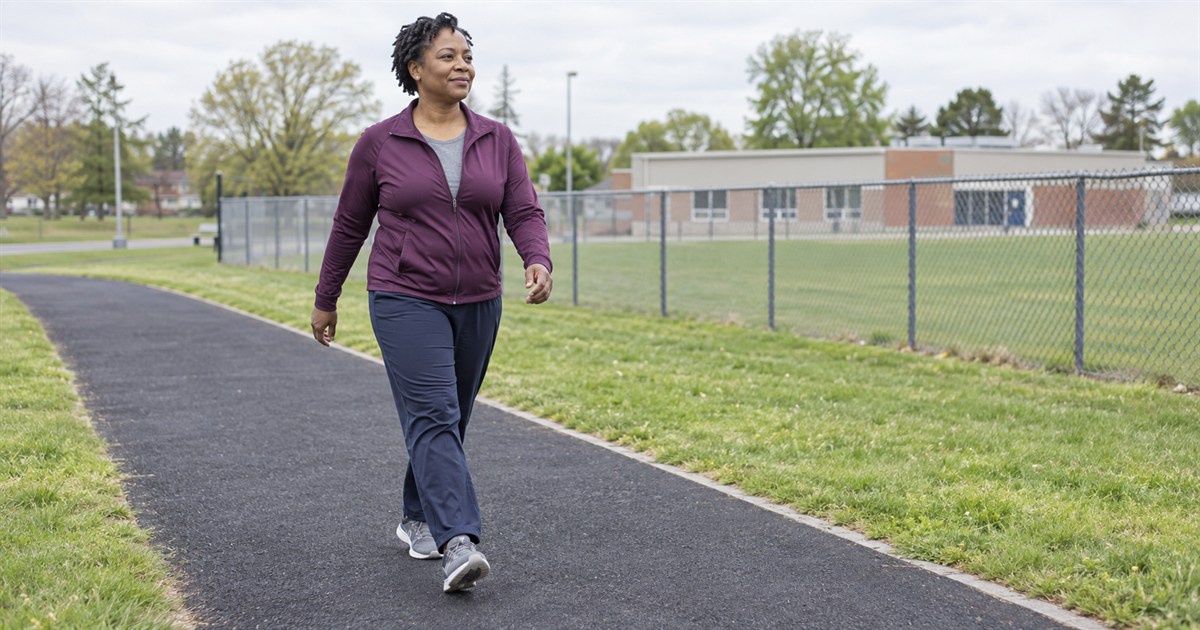
Mindful fitness can mean paying attention to movement, effort and surroundings instead of completing a workout on autopilot. It does not have to mean combining meditation with high-intensity intervals, and it does not make a demanding workout automatically safe.
This guide treats mindful fitness as an optional approach to exercise, not a therapy, a way to develop psychic abilities or a promise of faster recovery. Start with an activity that fits your current ability. You can keep reflection and strenuous exercise separate.
Updated September 11, 2026. General information, not an individual exercise prescription or medical clearance.
Quick Guide
- Choose suitable movement before adding a mindfulness cue.
- Stay aware of your surroundings, equipment and instructions.
- Do not force slow breathing or add breath holds during exertion.
- Change the effort or stop when needed; calm feelings do not prove safety.
- Judge a class by its actual activities and support, not its name.
Mindfulness and exercise are different components
NCCIH describes mindfulness as attention to the present moment without judgment. Its evidence review discusses possible benefits but also important limitations in research quality and interpretation. Negative experiences can occur, and safety has not been studied thoroughly enough to promise that every practice is harmless.
Those findings do not establish that adding a meditation segment to a cycling class improves endurance, prevents injuries or produces a special brain-body state. Evidence for one defined practice should not be transferred to every class using a similar label.
A workout may feel personally meaningful without being treatment for anxiety or depression. Feeling an insight during movement also does not verify it as a prediction or prove that your intuition has become more accurate.
Intensity still matters
The CDC’s activity-intensity guide explains that effort is relative to the person. As a rough guide, during moderate aerobic activity you can usually speak but not sing; during vigorous activity, you need pauses for breath after only a few words. This is an effort guide, not medical clearance or a test for whether a symptom is safe.
Calling a session “mindful” does not change the demands of its intervals, weights, speed or heat. Meditation should not be used to persuade yourself to ignore discomfort or match someone else’s pace.
The American Heart Association advises gradual increases in activity, with a slower warm-up and cool-down. Its guidance also recommends medical advice before strenuous activity for inactive people and before a new exercise programme for those with known heart disease. If you have health concerns or exercise restrictions, ask a qualified clinician what is appropriate for you.
How the idea can fit different activities
Walking or running
You might notice your pace and the path ahead while continuing to watch for traffic, other people and uneven ground. Walking is a valid choice; you do not need to turn it into running to make the activity worthwhile. Avoid inward-focus exercises that distract you from a road crossing or other hazard.
Stationary cycling
Pay attention to the instructor’s setup and technique guidance and choose an appropriate resistance. Do not add breath holds, force your breathing to match pedal counts or close your eyes to deepen a meditative experience. Outdoor cycling requires continuous attention to traffic and surroundings; this article is not recommending meditation while riding on roads.
Yoga, strength classes or high-intensity intervals
Ask what the session actually includes. A class described as yoga sculpt might have very different demands from a gentle yoga class, so do not choose by the word “yoga” alone. Check whether it includes weights, jumps, heat or rapid transitions and whether adaptations are offered.
If you already do higher-intensity exercise appropriately, a brief reflection can happen before or after it. There is no need to add a second concentration task during a difficult movement. Technique and safe effort come first.
A simple before-during-after approach
Before: choose one practical intention
Try “I will keep this at a suitable effort” or “I will ask for an adaptation if I need one.” This is more useful than requiring yourself to feel calm, have a breakthrough or finish every interval. Follow the preparation and warm-up appropriate to your activity.
During: notice and respond
Check whether you are still attending to the activity and its surroundings. If the session is too demanding, reduce the effort or stop; do not use a mantra to push through warning symptoms. If concentrating on bodily sensations feels distressing, leave out that cue. Mindfulness is optional, not an endurance test.
After: reflect without scoring your emotions
After an appropriate cool-down, ask what felt manageable and what you would change next time. You might prefer a quieter class, clearer instruction or a different activity. You do not need a wearable, a stress score or a spiritual explanation to record a practical preference.
Fictional example: Rosa returns to an exercise class after time away. She asks about easier options and chooses a lower-effort version instead of copying the fastest participant. Afterwards she notes that clearer instructions would help. She does not assume that feeling focused means she is ready for harder intervals. This illustrates decision-making, not a guaranteed result.
Know when to stop and get help
The American Heart Association advises stopping and seeking medical evaluation for heart-related symptoms such as chest pain or pressure, lightheadedness or concerning shortness of breath during exercise. Do not interpret these as emotional release or something to breathe through. Use local emergency services for severe symptoms or an immediate medical emergency.
Persistent distress also deserves appropriate support. A fitness class should not be presented as hidden psychotherapy or as a replacement for mental healthcare. Our everyday stress guide separates self-help from situations that need additional help.
Questions to ask before joining a class
- What movements, intensity and equipment are involved?
- What training does the instructor have for this activity?
- Can I reduce the effort, skip a cue or leave a movement out?
- How are beginners or people with restrictions supported?
- Does the class make treatment, injury-prevention or guaranteed-result claims?
For a gentler starting point, our optional home movement guide includes a chair-based approach and a no-movement alternative. Its spiritual framing is optional and is not a diagnosis.
Key Takeaways
- Mindful fitness is an approach to attention, not a safety certification.
- High intensity is optional; suitable effort and technique remain essential.
- Do not use breath holds, closed eyes or inward focus to compromise exercise safety.
- A useful session does not require a breakthrough, a device or a promise of healing.
Frequently Asked Questions
Does mindful fitness have to include HIIT?
No. Attention to movement can accompany an activity suited to your ability, including an ordinary walk. High intensity is not a requirement for mindfulness.
Should I hold my breath during a mindful cycling session?
Do not use breath holds or forced breathing patterns as a focus exercise while cycling. Keep attention on safe riding and suitable effort, and ask a qualified instructor about technique.
Does adding meditation prevent exercise injuries?
No. Mindfulness is not a guarantee against injury and does not replace appropriate technique, gradual progression, recovery or professional guidance.
What if inward attention makes me anxious?
Stop that part of the practice. You can focus on your surroundings, choose another activity or leave meditation separate from exercise. Seek appropriate support if distress persists.