

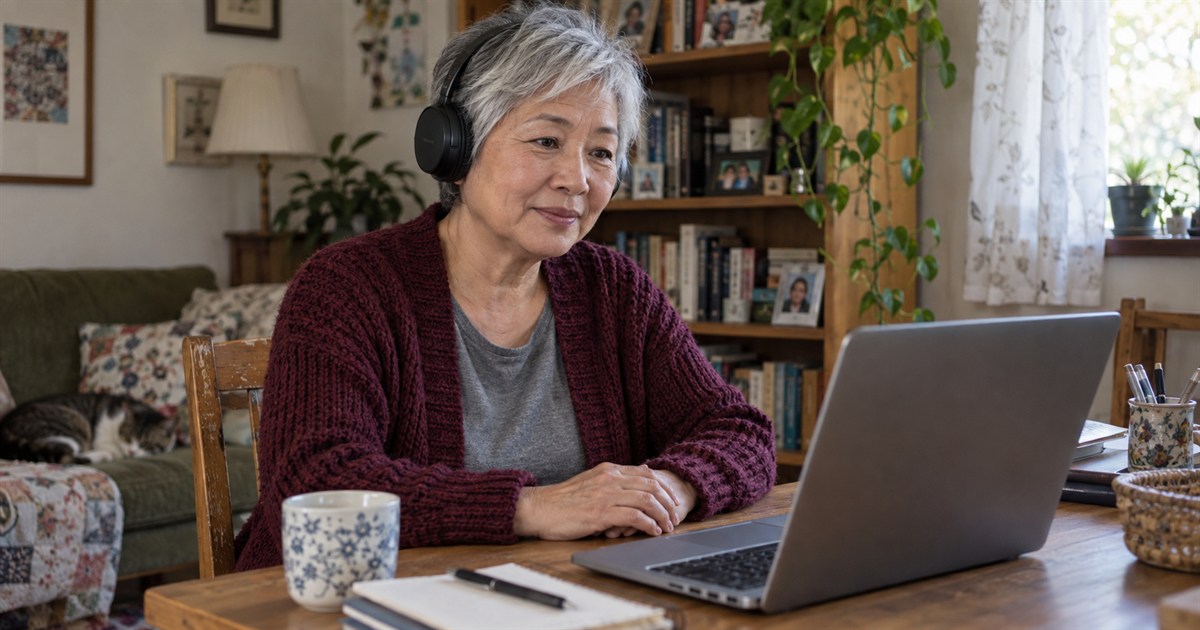
Being called a “natural healer” can feel meaningful. It may reflect that someone feels heard or cared for around you. It does not establish that you can diagnose illness, direct a healing energy or treat another person’s health condition. If you are drawn to helping, the useful question is what support you can offer responsibly.
You do not have to decide on a spiritual identity before taking a helpful next step. Start with observable skills, clear consent and an honest description of your role.
Updated September 11, 2026. This guide discusses personal reflection and helping roles, not medical training or treatment advice.
Quick Guide
- Treat compliments, dreams and strong feelings as personal experiences, not professional qualifications.
- Choose a specific role: everyday support, optional spiritual reflection or a profession with formal training requirements.
- Practise listening, consent, privacy and time boundaries.
- Check a course’s content and credentials before spending money.
- Know when someone’s needs exceed what you can offer.
What do you mean by “healer”?
The word can describe very different things. One person means a compassionate friend; another means a spiritual practitioner. Someone else is considering a health profession. These are not interchangeable roles.
Try completing this sentence without using the word healing: “I would like to help people by…” You might write listening without interrupting, helping with everyday tasks, discussing spiritual questions or pursuing a particular professional qualification. A concrete description makes it easier to identify the skills and limits involved.
Spiritual practices may be personally meaningful, but their claims still need scrutiny. For example, NCCIH’s Reiki overview says Reiki has not been clearly shown effective for a health-related purpose and that there is no scientific evidence for the proposed energy field. Feeling drawn to such a practice does not resolve those evidence limits. Our guide to distance energy healing evidence and booking checks explains questions to ask about service claims.
Six skills to assess honestly
This is a reflection checklist, not a test that confirms a special gift. Pick one skill to practise and ask for feedback.
- Listen before interpreting. Ask what the person wants from the conversation. Can you hear their account without immediately labelling their energy, explaining their life or offering a solution?
- Respect a clear no. Someone may welcome conversation but not touch, spiritual language or advice. Ask separately about each activity. Silence or politeness is not a useful substitute for clear agreement; make it easy to stop.
- Describe your limits. Be able to say what you cannot assess or provide. Do not present an intuition as a diagnosis or advise someone to replace prescribed care with your service.
- Handle private information carefully. Avoid collecting details you do not need. Never turn someone’s disclosure into a public story or testimonial without their specific permission. In a formal role, learn its confidentiality and safeguarding procedures.
- Accept feedback without blame. If someone finds an interaction unhelpful, listen. Do not explain away their experience by saying they were insufficiently open, positive or spiritually ready.
- Keep sustainable boundaries. Be realistic about time, availability and emotional capacity. Offering support does not require being available around the clock or taking responsibility for every outcome.
The NHS guide to supporting others recommends listening without judgment, not forcing conversation, offering practical help and looking after yourself. Those everyday actions give you something concrete to practise. For a spiritual reflection approach that also leaves room for uncomfortable feelings, see lightwork, shadow work and a balanced approach.
A small, bounded way to begin
Choose one ordinary offer rather than promising transformation. You might offer to listen for twenty minutes or help a friend with a task they have identified. Ask whether they want company, practical assistance or ideas, and respect the answer.
Fictional example: A neighbour tells Robin that conversations with her feel calming. Robin enjoys helping but does not treat the compliment as evidence of healing powers. She asks whether the neighbour would like a short chat or help planning an errand. When the conversation turns to an ongoing health concern, she acknowledges that she cannot assess it and encourages the neighbour to discuss it with a qualified professional. She does not offer a spiritual diagnosis.
Afterward, review the interaction: Did you respect the person’s request? Did you keep the agreed time? Was anything outside your competence? Those questions are more useful than trying to interpret a dream as approval to start practising.
Before paying for a healing course
Interest is a reason to investigate a course, not a reason to skip checks. Ask for written answers about:
- Scope: What exactly will you learn, and what does the provider say you will be qualified to do?
- Teaching and assessment: Who teaches it, what relevant qualifications can you verify, and is there supervised practice or meaningful assessment?
- Boundaries: Does it teach consent, privacy, complaints handling and referral limits?
- Costs: What are the total fees, ongoing charges and cancellation or refund terms?
- Credentials: Is the award a certificate of attendance, a professional certification or something else? Who recognises it?
NCCIH explains that U.S. complementary-practitioner credential requirements vary by state and discipline. Do not assume that a private certificate authorises health treatment. For the role and location you are considering, check the relevant regulator’s current requirements independently of the course seller. This guide does not determine whether a particular service is legally permitted.
When the need is beyond your role
Spiritual support is not a substitute for appropriate health care. If someone describes persistent symptoms or difficulties affecting daily life, encourage qualified help rather than interpreting the problem as a blocked gift. If there is immediate danger, seek local emergency assistance; do not try to manage it through a spiritual session.
You can care about someone and still say, “I can listen, but I am not qualified to assess this.” That limit is part of being trustworthy, not a failure to help.
Key Takeaways
- A desire to help is worth exploring, but it is not proof of a healing ability.
- Consent, listening and reliable boundaries matter more than adopting a title.
- Verify training claims and local requirements before offering services.
- Everyday kindness is a valid contribution; becoming a practitioner is optional.
Frequently Asked Questions
How do I know if I am a natural healer?
Being caring, intuitive or someone others confide in does not establish a healing power. Look at observable skills such as listening, respecting consent, following through and accepting limits. You can develop these skills without adopting a healer label.
Does enjoying touch mean I should offer hands-on healing?
No. Your preference does not establish another person’s consent or your competence. Any touch must be clearly explained, freely agreed to and stopped when requested. Check appropriate training and local requirements before offering a hands-on service.
Does a healing certificate qualify me to treat illness?
Do not assume that it does. Check exactly what the certificate represents and verify the requirements for the proposed role with the relevant local regulator. A course provider’s marketing is not a substitute for that check.
Can I help people without becoming a practitioner?
Yes. You can offer a listening ear, practical help or a clearly defined volunteer role. Ask what the person wants, respect your own availability and encourage appropriate professional support when needs go beyond your role.